
What Is the Psychology Behind Stuffed Animals
Walk into any home. There is a good chance you will spot one. A teddy on a shelf. A soft bunny on a bed. A slightly worn plush toy tucked into a corner. Stuffed animals stay with us longer than most things. Longer than clothes. Longer than trends. Sometimes even longer than people. That is not random. There is real psychology behind it, and it starts much earlier than we think.
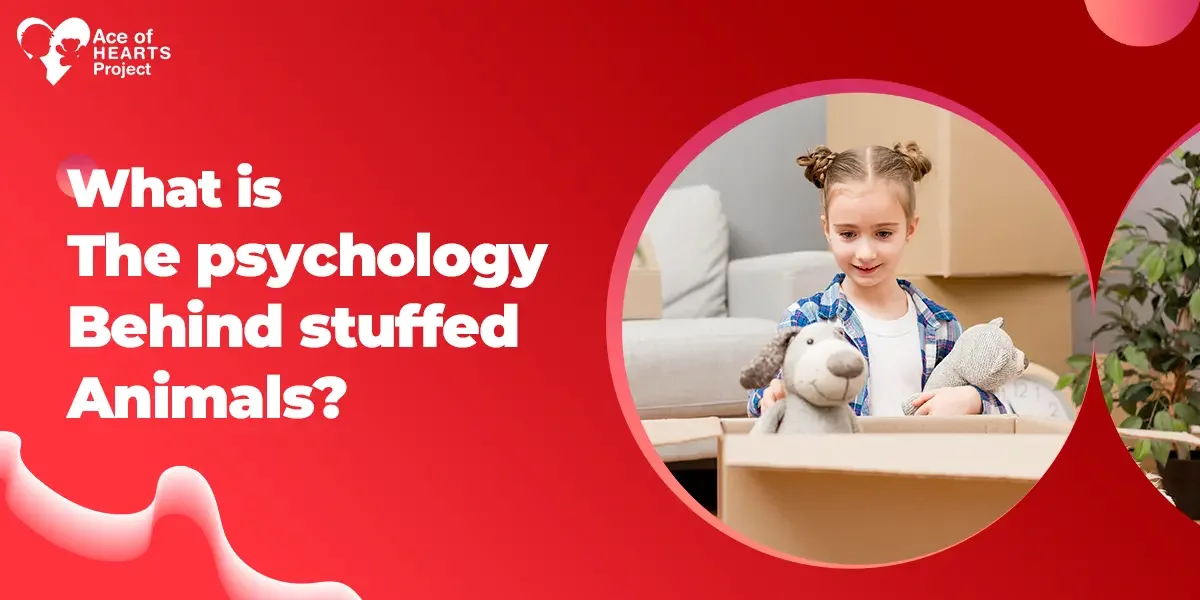
Let us talk about why stuffed animals matter. And why toys donation projects can quietly change lives.
Why humans bond with stuffed animals so deeply
The bond usually begins in childhood. A child hugs a soft toy, and something clicks. Stuffed animals feel safe. They are soft. They do not judge. They do not leave. Psychologists often call them “transitional objects”. It sounds technical, but the idea is simple. A stuffed animal helps a child move from total dependence on a parent to a sense of comfort on their own. It becomes a bridge.
When a parent is not around, the toy fills that emotional gap. Not perfectly, of course. But enough to calm the heart. That comfort gets stored deep in memory. Which is why many adults still feel attached to their childhood plush toys, even if they do not talk about it much.
The role of touch and softness
Touch is powerful. Especially gentle touch. Our brains are wired to respond to softness. Soft textures can lower stress. They can slow breathing. They can make the body feel safer. That is one reason weighted blankets work. And it is also why stuffed animals feel comforting even when we are grown. Holding something soft sends a quiet signal to the nervous system. You are okay. You are safe right now.
For children dealing with fear, anxiety, or change, this matters a lot. A stuffed animal becomes a small anchor in a confusing world.
Stuffed animals as emotional listeners
Here is something interesting. Kids talk to stuffed animals a lot. They share secrets. They explain worries. They act out big emotions using small toys. This is not silly play. It is emotional processing.
A stuffed animal becomes a listener who never interrupts. Never corrects. Never laughs at the wrong moment. Through pretend play, children learn how to name feelings. How to solve problems. How to express fear without being overwhelmed by it.
In a quiet way, stuffed animals help children practise being human.
Why adults still keep Stuffed Animals
Some grown-ups hate saying it, yet they know cuddling stuffed creatures helps when you're older. When the day drains you, squeezing something fluffy keeps your mind steady. Going through loss? An old plush holds onto feelings and gives quiet comfort.
When you're feeling alone, it might help a bit. That’s not childish at all. It’s just part of being people. Feeling safe isn’t something you grow out of.
Trauma, healing, and stuffed animals
Kids who’ve been through tough times need cuddly toys more than most. When little ones are stuck in shelters, hospitals, or shaky homes, nothing feels steady. Life shifts quickly; way too quickly. A toy handed out by someone kind might be the only thing they keep close. It’s theirs alone. No sharing. Just comfort.
Psychologists have seen how plush toys help children regulate emotions after stressful events. The toy becomes a steady presence when everything else feels uncertain. This is where donating stuffed animals becomes more than charity. It becomes emotional support.
The quiet power of donating stuffed animals
Many people think toy donations are about clutter. Clearing space. Passing things on. But toy donation projects do something deeper. When you donate stuffed animals, you are not just giving away fabric and filling. You are offering comfort. Familiarity. A chance for a child to feel seen.
A clean, gently used stuffed animal can mean bedtime comfort in a shelter. A sense of ownership in foster care. A moment of calm in a hospital room. It is a small object. But it carries emotional weight.
Why stuffed animals are different from other toys
Not all toys create the same emotional bond. Cars are fun. Games are exciting. Gadgets are engaging. But stuffed animals invite closeness. They are held, not just played with. Undoubtedly, they stay through quiet moments, not just active ones.
This is why stuffed animal donation efforts are so valuable. These toys meet emotional needs, not just entertainment needs.
What makes a donated stuffed animal meaningful
Condition matters. Cleanliness matters. Intent matters. A stuffed animal that looks cared for sends a message. You matter enough for this to be clean and safe. That message lands deeply, especially for children who often feel forgotten.
When donating, choose toys that you would feel good about giving to someone you love. That care carries through.
Teaching empathy through donation
Donating stuffed animals also shapes the giver. For children and families who donate together, it becomes a lesson in empathy. Kids learn that toys can bring comfort to other kids. That sharing does not mean loss, it means connection.
This builds emotional awareness. And it creates a cycle of kindness that lasts longer than the toy itself.
The psychology of letting go
Letting go of a stuffed animal can feel surprisingly emotional. That is okay. It means the toy held meaning. Memories. Comfort.Choosing to donate instead of discard helps reframe that emotion. The comfort does not disappear. It moves. Someone else gets to feel it now.
That is a powerful psychological shift, from holding to sharing.
Why toys donation projects matter more today
Today’s world is fast. Loud. Often overwhelming. Children face pressures earlier than ever. Screen overload. Academic stress. Family changes. Uncertainty. Simple comforts matter more in such a world.
Toy donation projects provide grounding in the middle of chaos. They offer something soft in a hard moment. And they remind children that kindness still exists, even if they cannot always see it.
How Ace of Hearts looks at stuffed animals
We at Ace of Hearts think care ought to be close to home, like something you recognise in your own life. Not just a thing done, but felt. Whenever we back teddy bears, we don’t see toys. We see small comforts passed hand to hand. Every soft one could calm a scared kid, give better rest at night, or spark joy when things feel rough.
We keep our eyes on human worth. On kindness. On inner peace. Not because science needs grand ideas but because real change hides in quiet moments. It’s less about loud claims and more about doing little things with care.
How you can make a difference
You do not need to do something grand. Start small. Look at the stuffed animals at home. Choose the ones that are clean and gently loved. Donate with intention. Support toy donation projects that reach children in need. Be mindful of quality and care.
That small step can create a ripple. Comfort spreads quietly, but it spreads far.
Final thoughts
The psychology behind stuffed animals is simple and profound at the same time. They represent safety. Connection. Comfort. Emotional expression. They help children grow. They help adults heal. They hold space for feelings that words cannot always reach.
When you donate-stuffed animals, you pass on more than a toy. You pass on reassurance. Warmth. A sense of being held, even when the world feels heavy.
And sometimes, that is exactly what someone needs.
Why Choose Ace of Hearts
Ace of Hearts stands for compassion with purpose. We support meaningful donation efforts that respect emotional needs, not just physical ones. Our work with stuffed animals donation and toy donation projects focuses on care, dignity, and real impact. When you choose to support Ace of Hearts, you become part of a community that believes small gestures can create deep change. One soft toy. One child. One moment of comfort at a time.