Walk into any home with children and you will see toys everywhere. On the floor. On the bed. Sometimes under the sofa. At first glance, toys look like simple things. Bright colours. Cute shapes. A bit of noise. But if you pause for a moment and really watch a child play, something deeper is happening.
Toys are quiet teachers. They teach without lectures. Without pressure. Without rules written on a board. And kids, without even realising it, learn a lot.
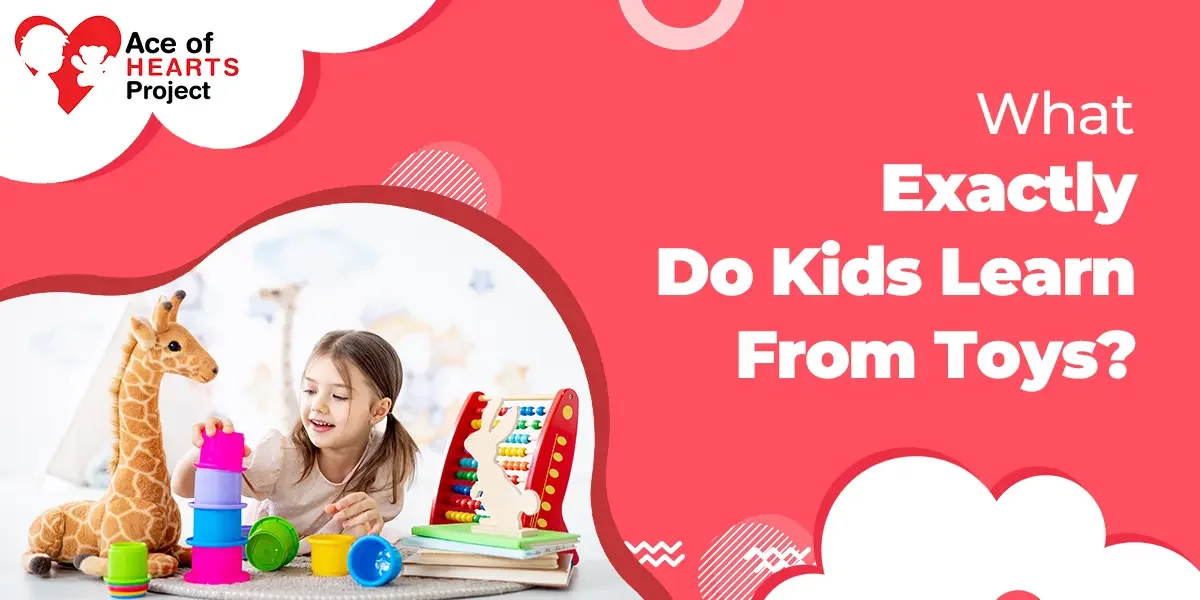
Let us slow down and talk about what children actually learn from toys.
why toy donation matters so much, and how giving toys a second life through donation can keep this learning going for many more kids.
Making Donation Simple and Stress-Free
Many people want to donate toys, but life gets busy. Time runs short. Good intentions get delayed. This is where convenient donation drop boxes make a real difference.
Easy to find. Easy to use. No long processes. Just drop, smile, and move on with your day.
When donating becomes simple, more toys reach more children. And learning keeps flowing.
Learning Starts Before Words
Before children can read or write, they play. That is how learning begins. A toddler stacking blocks is not just passing time. They are learning balance. Cause and effect. Patience. When the tower falls, they try again. That small moment teaches resilience. Quietly. Naturally.
A soft toy becomes a friend. A listener. Sometimes even a hero. Through this, children start to understand feelings. Comfort. Care. They learn how to express emotions when words are still forming.
Toys help children make sense of the world before the world makes sense to them.
Building Thinking Skills, One Toy at a Time
Many toys help children think. And not in a boring way. Puzzles teach problem solving. At first, kids try randomly. Then slowly, patterns click. Shapes fit. Confidence grows. That feeling of “I did it” stays with them.
Construction toys encourage planning. Children imagine something, then try to build it. Sometimes it works. Sometimes it collapses. Both outcomes teach something valuable.
Even simple board games help with decision-making. Waiting for a turn. Following rules. Accepting loss. Celebrating wins without going overboard. These are life skills, learnt while laughing.
Language Grows Through Play
Play and language grow together.
When kids play with dolls, action figures, or animal toys, they talk. A lot. They create stories, give voices and ask questions and answer them themselves.
This builds vocabulary. Sentence flow. Confidence in speaking. Even shy children often open up while playing, because toys feel safe. There is no judgement. No correction. Just imagination.
Toys also help kids learn listening skills. When playing with others, they listen to ideas. They respond. They adjust. Communication becomes natural.
Social Skills Begin on the Play Mat
Sharing is hard. Every parent knows this. But toys gently introduce the idea. When kids play together, they learn to wait. To take turns. To negotiate. Sometimes they argue. Sometimes they compromise. All of it matters.
Role-play toys, like kitchen sets or doctor kits, help children understand social roles. They copy what they see around them. Parents. Teachers. Helpers. Through this, empathy grows.
They begin to see the world from someone else’s side. That is a big lesson, taught through small plastic cups and toy stethoscopes.
Creativity Needs Space to Breathe
Not all learning needs structure. Open ended toys, like art supplies, clay, or simple blocks, give kids freedom. There is no right or wrong outcome. Only expression.
A cardboard box can become a car. A house. A spaceship. That freedom builds creativity and confidence.
Kids learn that ideas are allowed. That imagination has value. That making something from nothing is possible.
These lessons stay long after childhood.
Emotional Strength, Built Gently
Toys often help children process feelings they cannot explain. A child might act out a school day using toys. A happy moment. A scary one. A confusing one. Through play, emotions find a safe outlet.
This helps children understand themselves better. It also helps adults understand children better if they take the time to watch.
Comfort toys, like stuffed animals, offer security. They help kids self-soothe. They build emotional independence, slowly and kindly.
Learning Does Not End When a Toy Gets Old
Here is something important. A toy does not stop teaching just because one child outgrows it.
Many toys still have so much life left in them. And many children are waiting for the chance to learn through play.
That is where toy donation becomes powerful.
When you choose the most appropriate place for toys to be donated, you are not just clearing space at home. You are passing learning forward. You are giving another child the chance to build, imagine, talk, and grow.
Why Donating Toys Matters More Than We Think
For some children, toys are rare. Not a given. A donated toy can be the first puzzle a child ever solves. The first doll they care for. The first game they play with friends.
That single toy can spark curiosity. Confidence. Joy.
Donation drives for toys help bridge this gap. They make learning playful and accessible. They remind children that they are seen and valued.
And for donors, there is a quiet joy too. Knowing that something once loved continues to teach and comfort.
Ace of Hearts, Where Toys Find New Purpose
At Ace of Hearts, we believe toys are more than objects. They are tools of growth. Of comfort. Of connection.
Through our charitable donation initiatives, we make sure gentle toys reach children who need them most. We focus on dignity, on quality and care.
We work to be the best place to donate toys, not just because of convenience, but because of impact.
Our simple drop-off locations are placed thoughtfully, making it easy for people to give without hassle. Every toy collected is sorted, cleaned, and delivered with intention.
We see every donated toy as a small story waiting to continue.
What You Give, Grows Beyond You
When you donate a toy, you may never meet the child who receives it. But the impact is real.
A donated toy can help a child learn patience. Or kindness. Or courage. It can make a tough day lighter. A quiet child is braver. A lonely moment warmer.
That is powerful, and it starts with a simple choice. To pass something on instead of throwing it away.
Final Thoughts: Small Toys and Big Lessons
What kids learn from toys surprises most adults. Thought patterns form through small hands at work. Words grow during moments of make-believe. Feelings deepen without anyone noticing. Imagination wakes up quietly, piece by piece. These objects do far more than sit on shelves. Each one leads somewhere new.
When you join a toy donation drive, picking somewhere reliable such as Ace of Hearts makes a difference. Learning reaches more kids because of choices like that. A child somewhere smiles wider, just a bit, thanks to what you do.
Next up: that toy sitting still on the shelf. Wonder if it might show some kid a quiet kind of magic instead?
If it seems right, then the choice is clear.