How Do Toys Influence a Child’s Development
Step inside a place where kids live; toys lie everywhere. Under couches, maybe. Bright containers hold some. A few lack parts. Grown-ups might think they’re just things. For young ones, though, each one means something bigger.
Through toys, kids begin to understand life around them. With small fingers comes discovery; each grasp teaches something new. Thoughts stretch further because of what play allows. Emotions settle into soft corners built by make-believe. Day after day, without noise, it happens. Gently, always.
Pause here. See how playthings guide a young mind forward. The picks you make even which ones get passed on – hold weight most overlook.
Why Toys Matter More Than We Realise
Children do not learn only from books or screens. They learn by touching, stacking, dropping, pretending, building, and sometimes breaking things. Toys give them that space.
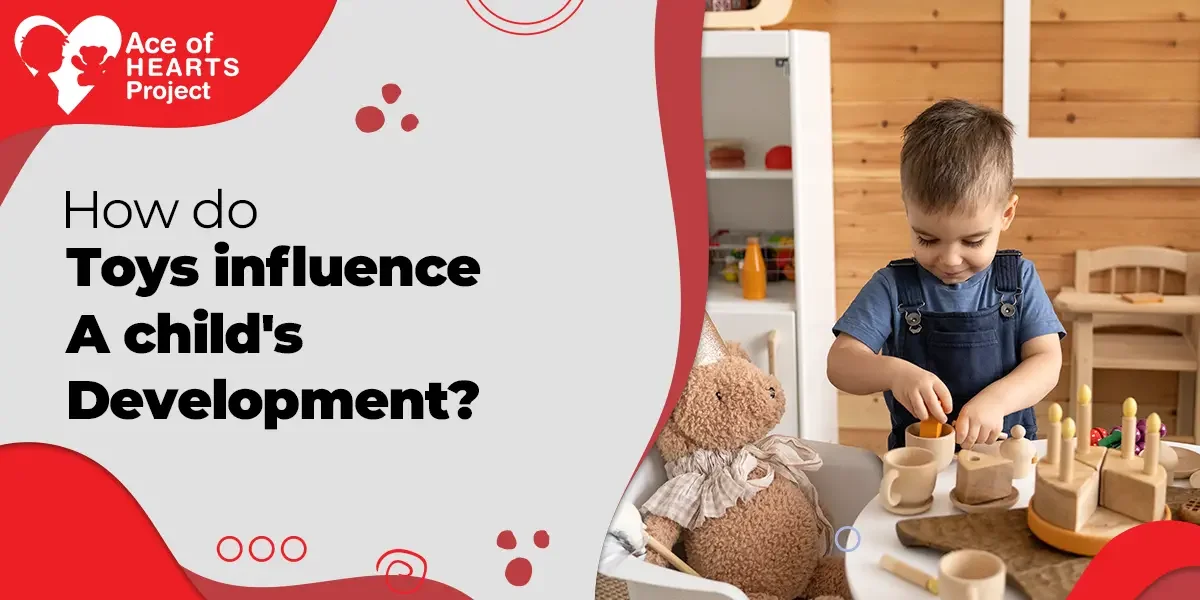
A toy is not just for fun. It is a tool for learning. A soft doll can teach care. A puzzle teaches patience. A ball teaches movement and balance. Even simple toys can spark big growth.
And the best part is that children do this learning naturally. No pressure. No instructions. Just play.
Physical Development Through Movement
Toys also help children move, and movement matters. Balls improve coordination. Ride-on toys build balance. Stacking and sorting toys strengthens fine motor skills. Even squeezing soft toys helps hand muscles develop.
Physical play supports healthy growth. It builds confidence in the body. It allows children to test limits in a safe way.
When choosing toys to donate, sturdy and age-appropriate toys are especially valuable. They help children stay active and engaged.
Toys Support Brain Development
The brain grows fastest in early childhood. Play helps wire those connections.
When a child plays with blocks, they start to understand shapes, balance, and cause and effect. When they fit puzzle pieces together, they practise problem-solving. When they sort toys by colour or size, they build early thinking skills without even knowing it.
Simple toys often work best here. They leave room for imagination. They invite curiosity. They let children decide what happens next.
This is why thoughtful donations of gifts can make a real difference. A donated toy might become the first learning tool a child ever owns.
Building Language Through Play
Talk to any child while they play, and you will hear stories forming. Sounds turn into words. Words turn into little conversations.
Toys encourage children to speak. A toy kitchen invites pretend cooking. A toy car creates races and sound effects. Dolls and action figures become characters with feelings and voices.
Through play, children learn new words. They learn how to express ideas. They practise listening and responding.
Even quiet play helps. A child arranging toys may whisper to themselves. That self-talk is how language grows.
Emotional Growth Starts With Play
Where play happens, emotions find a quiet place to rest.
A hug with a worn-out bear at dusk teaches softness. Behind pretend tears of a toy face grows kindness. When blocks fall and then rise once more, something stubborn inside learns to bend.
A ball might become a scream when words feel too hard. Pretend games unfold like yesterday's lunchtime argument. Emotions find shape through tiny cars or stuffed bears. What sticks is how play carries what mouths can’t name.
When kids face new situations, steady things matter. Something known, like a favourite toy, acts as company. In tough spots, a given-away toy offers quiet ease exactly when it counts.
Social Skills Begin With Sharing Toys
Not all play is solo. Many lessons happen when children play together.
Sharing toys teaches patience. Taking turns teaches fairness. Playing games teaches rules and cooperation. Even small disagreements teach problem-solving and communication.
Board games, group toys, and pretend play sets all help children understand how to interact with others. They learn that other people have ideas too. They learn how to listen. They learn how to wait.
These moments shape how children relate to the world later on.
Creativity Lives Inside Simple Toys
Great toys often sit still. That’s exactly what makes them work.
A single row of blocks might build something tall, yet also strong enough to stand on its own. With crayons nearby, ideas find their way onto paper in bright shades instead of words. Put on a costume; suddenly the living room feels like another world entirely.
A child might imagine new worlds if a toy allows it. Play changes when rules fade into the background. Freedom to try things shows up in how kids move, build, and reshape. Ideas grow where limits aren’t fixed.
A child who plays like this grows sure of themself. Thinking on their own comes more naturally through such experiences. Because of it, fresh ways of seeing things take root early, lasting far beyond childhood.
What Makes a Toy Meaningful
Not every toy needs to be fancy. Not every toy needs lights or sound.
Meaningful toys are safe, clean, and age appropriate. They invite interaction. They last long enough to be loved.
When thinking about the best toys for donation, focus on quality rather than quantity. A well kept puzzle. A sturdy doll. A simple board game. These items can bring hours of learning and comfort.
Toys that are gently used and well cared for carry stories. They pass joy from one child to another.
Choosing Toys With Heart
Before donating, take a moment. Ask simple questions.
Is the toy safe? Is it clean? Is it still working as it should? Would a child feel excited to receive it?
These small cheques make a big difference. They show respect for the child who will receive it. The most suitable donations are ones you would still feel good about giving to someone you love.
The Impact of Donating Toys
When you are donating toys, it’s not just giving away objects. It’s sharing opportunity.
A donated toy can help a child learn their first word. It can become a comfort item during tough times. It can spark curiosity in a child who has very little.
Toys for donation often reach places where choices are limited. That makes thoughtful donations even more powerful.
Giving toys a second life also teaches kindness and sustainability. It shows children that sharing matters. That care extends beyond our own homes.
Ace of Hearts Sees Value in Playing
Toys aren’t just playthings at Ace of Hearts. They help kids grow, feel safe, and stay close to others. Each one has its own tale behind it. Care travels through every gift given.
A child's right to play matters more than you might think. Because of donated toys, laughter shows up in places with little else to give. Moments spark; simple ones that mix fun with discovery when it counts.
A single smile often begins with something small like a toy placed in young hands. Purpose guides every choice we make, not just results on paper. Each gift carries weight, more than it seems at first glance. A brief instant of joy might spark what comes next down the road.
Final Thoughts
Out of sight, toys work deep magic during early years. One moment they’re teaching balance, next offering hugs when storms hit. Growth sneaks in through playtime puzzles and late-night whispers under blankets. Curiosity blooms where blocks stack tall; confidence rises after every fall mended by small hands.
Filled with care, each thoughtful toy choice ripples outward. Giving deeply means nurturing development far past our front doors.
It just takes a small toy to matter the most. What happens next might be giving it away; that could mean everything.